
Why Choose Push-In Terminal Block
With the rapid changes occurring in the electrical industry today, the demand for reliable and efficient connection methods is on the rise. Push-in terminal blocks are one of a number of connection solutions with a distinct advantage—all of these solutions have their own level of simplicity and effectiveness; however, push-in terminal blocks have unique attributes that make them particularly useful when making connections. This article will examine why using push-in terminal blocks is advantageous for both professional electricians, and those attempting to do it themselves (DIY).
What are Push-In Terminal Blocks?
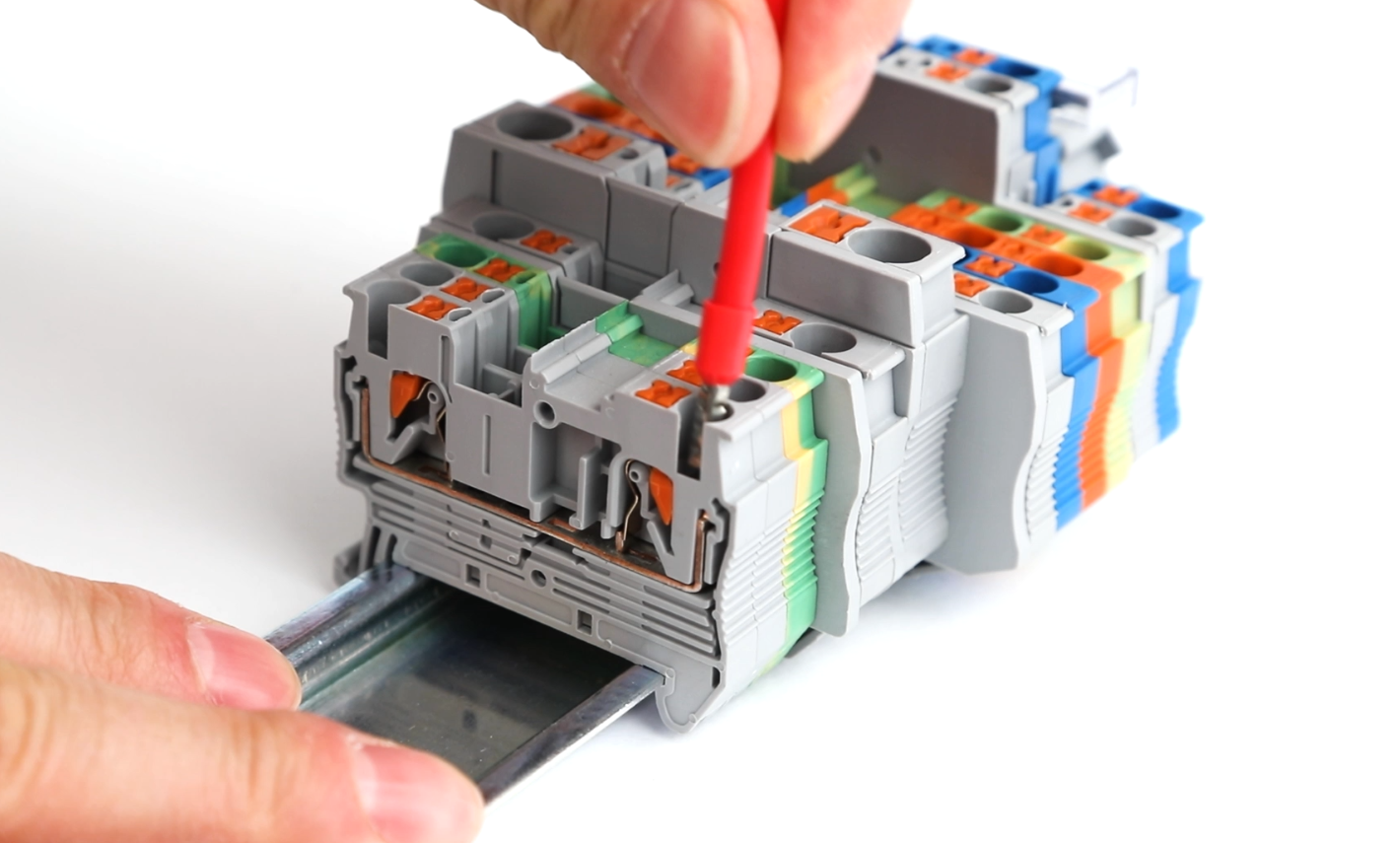
Terminal blocks for push-in connections secure the connection points where an electrical conductors’ ends terminate. Fast connections that take little time to make, with only limited tools needed to create, have made them an extremely popular option in all kinds of projects, especially for mounting to DIN rails as well. These designs allow for the insertion of wires into a block without requiring soldering and/or additional hardware such as screws, further increasing the ease with which you can create a successful connection.
How Do Push-In Terminal Blocks Work?
The functionality of push-in terminal blocks must be understood before their benefits can be appreciated. Push-in blocks use spring action to hold a wire in place when inserted into the block. The pressure from the spring creates a firm connection because of its ability to resist loosening caused by vibration or motion. Because of this design, push-in terminal blocks result in a substantial reduction in installation time since the user can connect multiple wires in seconds.
Advantages of Push-In Terminal Blocks
There are several key reasons to consider push-in terminal blocks for your wiring projects:
1. Fast Installations: With a simple push-in connection, you can get your connections up and running quickly. This saves time & money in labor costs, particularly for larger projects.
2. Dependability: Push-in Wire Connectors are designed to be very strong and dependable. They help to reduce the chances of poor connections, which are especially important in conditions where there is lots of movement or vibration in the area.
3. Multi-Use: Push-in terminal blocks have the ability to accept many wire sizes and types, allowing them to be applied in a variety of uses, such as: industrial equipment and home wiring.
4. Space Efficient: These connectors are designed to be small; therefore they can create a more organized environment and a better floor plan for your panel board or enclosure.
How Reliable are Push-In Wire Connectors?
In the electrical industry, the reliability of electrical connections is very important, and as a result, many manufacturers put their push-in terminal blocks through extensive testing to ensure they will perform over time, despite being exposed to various elements such as temperature changes and humidity. Therefore, if they are properly installed and used within their design limits, users can be assured that they will perform satisfactorily for many years into the future.
Common Applications for Push-In Terminal Blocks
Push-in terminal blocks can be found in many different environments where they are often used for industrial automation, control systems and lighting; but due to the ease of use and ability for quick re-configuration of wires, they are especially useful when frequent changes or maintenance are needed, as minimal downtime will occur.
How to Use Push-In Terminal Blocks
pushing an electrical wire onto a terminal block is simple. To do this correctly, begin by stripping the outer covering or insulation from the end of the wire. Be sure that the length of wire you strip from the insulation is the right amount to fit securely and safely inside the terminal. Next, insert the wire directly into the terminal until it has been pushed all of the way in. Consult the manufacturer’s instructions for specific requirements based on both the type of product and how it will be used.
Which is Better, Wire Nuts or Push-In Connectors?
There are many factors to take into account when deciding whether to use wire nuts or push-in connectors for your project. For instance, wire nuts are commonly found in both professional and consumer applications as they tend to be the most cost-effective and easy to locate wiring solution available. However, the wire nut connection method requires you to twist the connector onto the two wires (also known as conductors) being joined, and this twisting motion usually takes the longest amount of time to complete out of the two options available. Additionally, frequently connection times delivered through a wire nut do not provide consistent results when compared to push-in connectors.
Push-in connectors, or push-in terminal blocks, provide an efficient means of connecting wire to terminal block. Due to simple installation and no-tool operation, they can accommodate fast installations and rapidly changing applications. The spring mechanism creates a positive grip for the wire within the connector providing a secure connection.
Although wire nuts should be used for simple low-cost installations, in places where quick, dependable and reconfigurable connections are needed, push-in connectors perform better. For example, in industrial automation, or when utilizing a DIN rail terminal block, push-in connectors are usually the most commonly preferred choice because of their space efficiency and simplicity.
Conclusion
Ultimately, Push-in Terminal Blocks can improve the efficiency of your electrical project and provide greater reliability. Their unique design makes them easy to work with and an ideal choice for professionals and hobbyists. Whether you are developing a new electrical system or upgrading an existing electrical system, purchase high-quality Push-in wire connectors and your current project will be more efficient, and will be safer than before.
Post time: Jun-08-2026